A Complete Guide to New Energy Vehicle Parts: EV Accessories, Charging Equipment, and Global Auto Parts Sourcing
The global automotive industry is undergoing a major transformation as electric vehicles (EVs), plug-in hybrid vehicles, and other new energy vehicles become increasingly popular. As vehicle technology evolves, the demand for reliable new energy vehicle parts, EV charging accessories, replacement components, and vehicle-specific accessories continues to grow.
For automotive distributors, wholesalers, repair businesses, and individual vehicle owners, finding the right parts is essential for compatibility, convenience, and long-term performance.
HPOPO is an automotive parts distribution platform serving customers looking for vehicle accessories, EV charging equipment, replacement parts, and customized automotive solutions for different markets. This guide explains the main categories of new energy vehicle parts, how to choose compatible accessories, and what to consider when sourcing auto parts internationally.
1. What Are New Energy Vehicle Parts?
New energy vehicle parts include components and accessories designed for electric vehicles, plug-in hybrid electric vehicles, and other electrified vehicles. Depending on the vehicle and the intended application, these products may support charging, exterior protection, interior functionality, maintenance, and everyday driving convenience.
Unlike conventional vehicles, battery electric vehicles do not use a traditional internal combustion engine. However, many familiar automotive accessories, body components, lighting products, and interior accessories remain relevant, provided they are designed for the specific vehicle.
Common categories of new energy vehicle parts include:
-
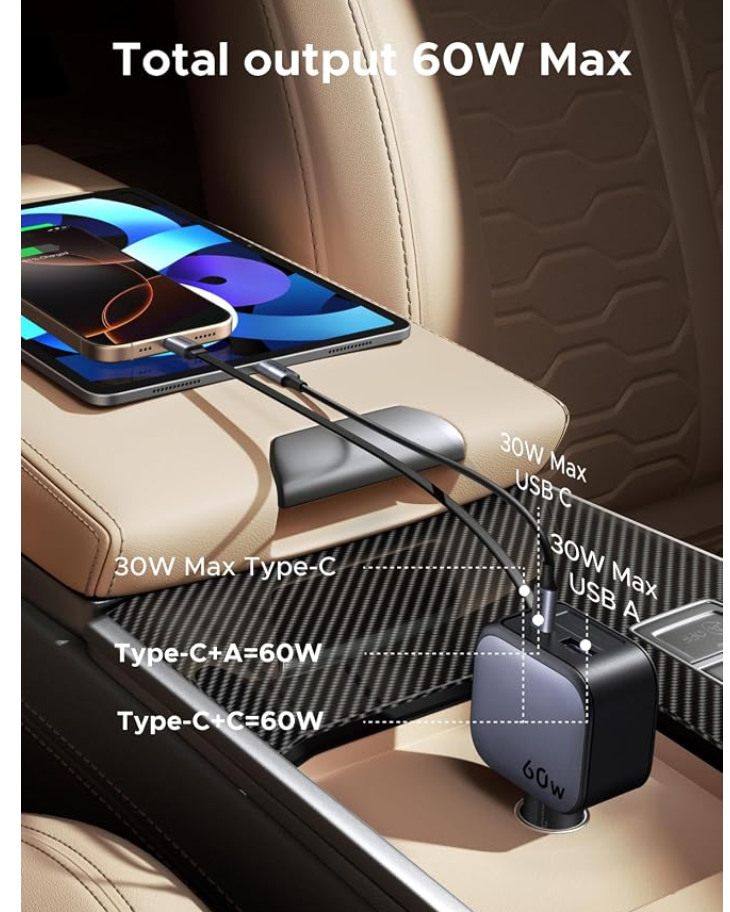
EV charging accessories: Portable EV chargers, charging cables, adapters where compatible, and charging-port protection products.
-
Exterior accessories: Rain covers, protective seals, mudguards, trim accessories, and vehicle-specific exterior components.
-
Interior accessories: Floor mats, storage organizers, protective covers, and model-specific interior fittings.
-
Replacement auto parts: Selected body components, lighting accessories, seals, and other vehicle-specific replacement products.
-
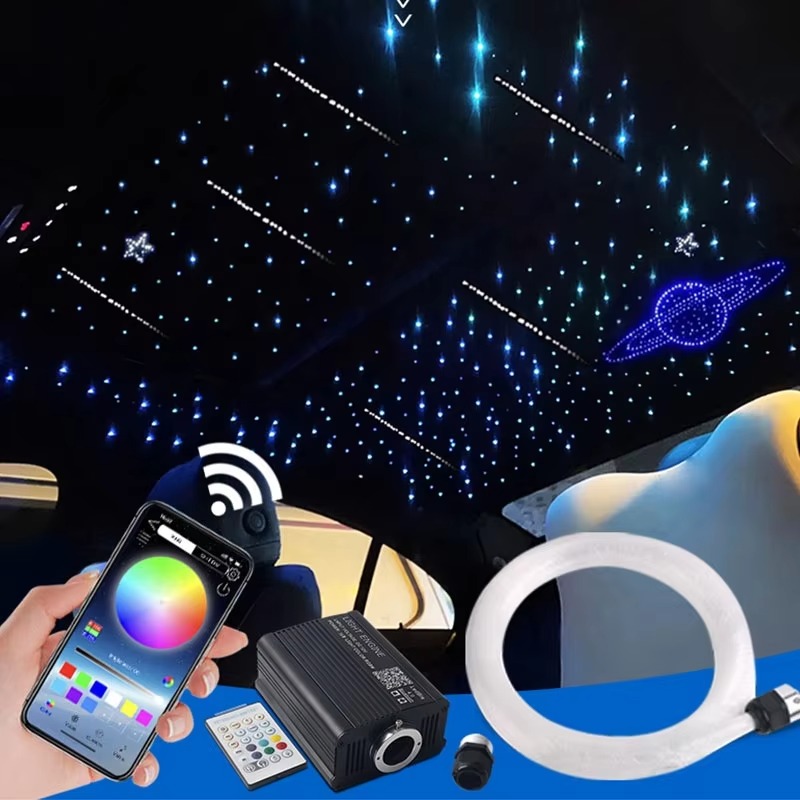
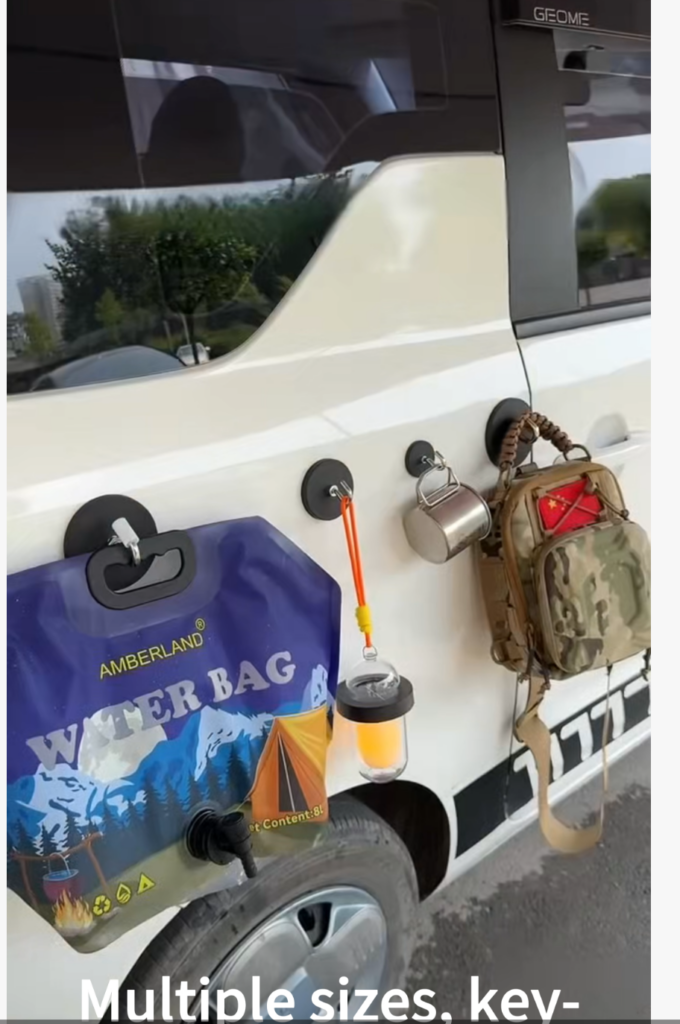
Customized automotive accessories: Products developed or adapted to meet the requirements of particular vehicle models or regional markets.
When purchasing EV accessories, always verify the intended vehicle application, dimensions, electrical specifications, and installation requirements before ordering.
2. EV Charging Accessories: What Should Buyers Know?
Charging equipment is one of the most important categories in the electric vehicle aftermarket. However, not every EV charger or charging accessory is compatible with every electric vehicle.
Portable EV Chargers
Portable EV chargers offer flexibility for drivers who need a charging solution at home or in locations with a suitable power supply. When choosing a portable charger, buyers should consider the connector type, rated current, supported voltage, charging power, cable length, and electrical safety certifications applicable to their market.
For example, a 7 kW Type 2 portable EV charger rated at 32 A may be suitable for certain vehicles and electrical installations. Actual charging performance depends on the vehicle's onboard charger, the available power supply, and local electrical requirements.
Type 2 EV Charging Cables and Connectors
Type 2 charging equipment is widely used in many European markets. Nevertheless, charging standards and connector requirements vary by region and vehicle.
Before purchasing a Type 2 EV charging cable or charger, check the vehicle's charging inlet, the equipment's rated power, and the compatibility requirements of the intended installation.
EV Charging Port Rain Covers and Protective Seals
Charging-port protection accessories can help reduce direct exposure to rain, dust, and everyday environmental contaminants when appropriately designed and installed.
For example, a vehicle-specific silicone charging-port rain cover or waterproof seal ring may provide an additional layer of protection around a compatible charging-port area. Buyers should confirm the product's dimensions, mounting method, and intended application.
Protective accessories should never interfere with connector engagement, electrical contacts, charging-port operation, or manufacturer-specified safety requirements.
3. How to Choose the Right EV Accessories for Your Vehicle
One of the most common challenges in the automotive aftermarket is vehicle compatibility. Two vehicles may look similar but use different mounting points, connector standards, dimensions, or component designs.
Follow these steps before purchasing new energy vehicle accessories.
Step 1: Confirm the Vehicle Make and Model
Identify the vehicle manufacturer, model, model year, and trim level. For electric vehicles, the exact version may affect charging specifications, body dimensions, and accessory compatibility.
Examples of vehicle-related searches include BYD accessories, MG4 EV accessories, XPeng accessories, Zeekr accessories, and EV charging accessories for specific models.
These terms should be used as starting points for product research, not as confirmation that one accessory fits every vehicle from the same manufacturer.
Step 2: Check Product Dimensions and Specifications
Review the product's measurements, material, connector type, rated current, rated voltage, or other relevant specifications.
For exterior accessories, compare the mounting location and dimensions. For charging equipment, confirm the electrical specifications and connector compatibility.
Step 3: Review Installation Requirements
Some accessories can be installed by the vehicle owner, while others require professional installation. Electrical equipment, high-voltage components, and safety-related systems should be handled according to manufacturer instructions and applicable regulations.
Step 4: Request Compatibility Confirmation
When product information is unclear, provide the supplier with the vehicle model, model year, relevant photographs, and product requirements.
Confirming compatibility before placing an order can help reduce incorrect purchases, returns, and unnecessary installation costs.
4. Why Vehicle-Specific Accessories Matter
The growing variety of electric vehicles has created new opportunities for specialized automotive accessories.
Vehicle-specific accessories are designed around the dimensions, structure, or functional requirements of a particular model. Compared with generic products, a properly matched accessory may offer a more suitable fit and a simpler installation process.
Examples include:
-
Model-specific EV charging-port rain covers.
-
Vehicle-specific exterior trim and protective accessories.
-
Custom-fit interior organizers and protective mats.
-
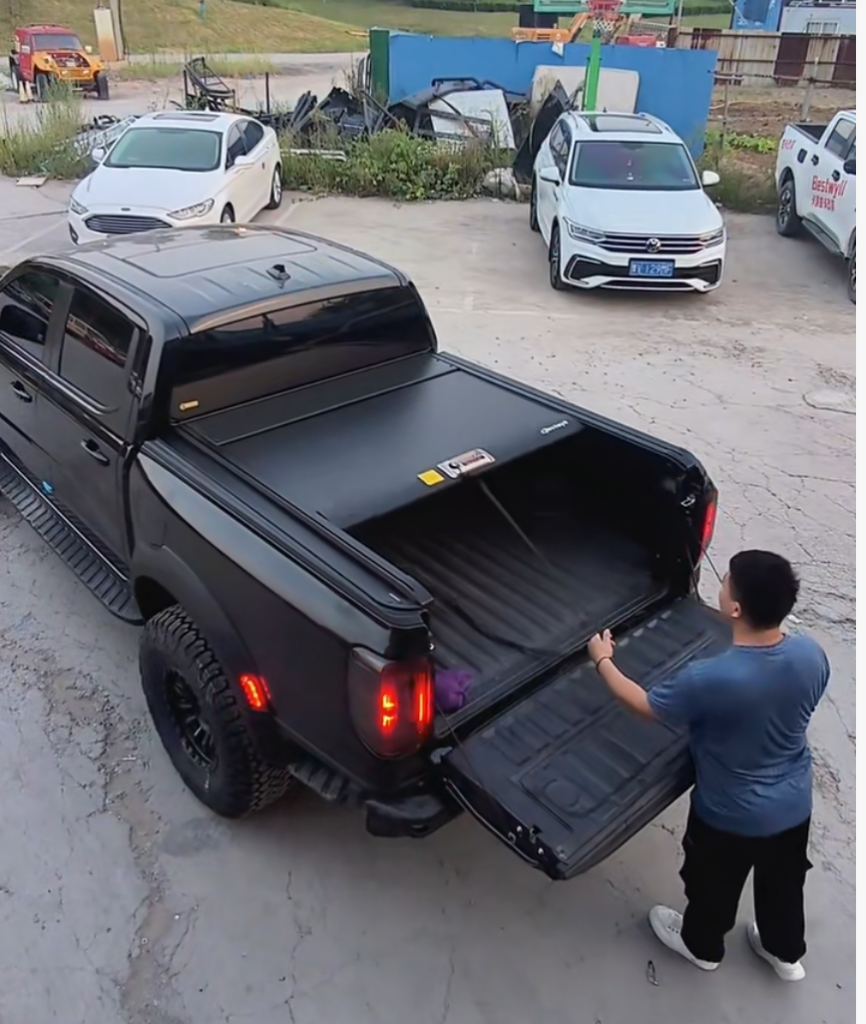
Accessories designed for particular electric pickup trucks, SUVs, and passenger vehicles.
For automotive distributors and wholesalers, identifying products for emerging vehicle models can also help expand product selection and serve customers with more specialized requirements.
However, buyers should always verify actual fitment information rather than relying solely on a product's general compatibility claims.
5. Global Auto Parts Sourcing: What Distributors Should Consider
For automotive wholesalers, retailers, repair shops, and importers, sourcing the right product is only part of the purchasing process. Supplier reliability, product specifications, logistics, and communication also matter.
Product Range and Availability
A supplier with a broad product range can help buyers source multiple categories of automotive products through fewer purchasing channels.
Depending on the supplier's catalog, these categories may include EV charging accessories, exterior and interior accessories, replacement components, and customized automotive products.
Clear Technical Specifications
Product listings should provide useful information, including dimensions, materials, electrical ratings where relevant, compatible vehicle applications, installation requirements, and product photographs.
Clear specifications make it easier for buyers to evaluate products and reduce uncertainty before placing orders.
Customization Capabilities
Some distributors require products adapted to particular vehicle models, regional markets, packaging requirements, or sales channels.
When considering customized automotive parts, discuss the required specifications, available samples, minimum order quantities, production lead times, and quality-control procedures before confirming an order.
International Shipping and Documentation
International automotive parts purchases may involve different shipping methods, customs procedures, product documentation, and local compliance requirements.
Before ordering, confirm the shipping destination, estimated delivery arrangements, applicable import duties, and any certification requirements for the product category.
For electrical charging equipment, compliance requirements may vary significantly between countries. Buyers should verify the relevant standards before importing or distributing products.
6. How HPOPO Supports Automotive Parts Buyers
HPOPO serves the automotive aftermarket with a focus on vehicle accessories, new energy vehicle-related products, and international parts sourcing.
Whether you are searching for EV charging accessories, protective automotive products, replacement components, or customized parts, selecting the right product begins with clear requirements and reliable compatibility information.
HPOPO provides an online platform for exploring automotive products and identifying potential sourcing solutions across different vehicle categories.
For buyers with specific requirements, preparing the vehicle model, target market, product specifications, estimated order quantity, and customization needs can help make supplier communication more efficient.
Explore the available products at HPOPO to find automotive accessories and parts suited to your purchasing needs.
7. Frequently Asked Questions About New Energy Vehicle Parts
What are the most common new energy vehicle accessories?
Common categories include EV charging cables and chargers, charging-port protection accessories, model-specific exterior components, interior accessories, and selected replacement parts. Availability and compatibility depend on the vehicle and supplier catalog.
How do I find compatible EV accessories?
Check the vehicle make, exact model, model year, trim level, product dimensions, and technical specifications. For charging products, also verify connector standards, electrical ratings, and local requirements.
Can I use a Type 2 EV charger with any electric vehicle?
No. Compatibility depends on the vehicle's charging inlet, charging standards, electrical supply, and the charger's specifications. Confirm these details before purchasing.
What should wholesalers look for in an auto parts supplier?
Important considerations include product range, accurate specifications, vehicle fitment information, customization options, quality-control processes, shipping arrangements, and communication.
Can automotive accessories be customized for specific vehicle models?
Some accessories can be customized, depending on product design, manufacturing capabilities, tooling requirements, and order quantity. Buyers should confirm feasibility, cost, samples, and lead times with the supplier.
Conclusion
As electric vehicles and other new energy vehicles continue to develop, demand for EV charging accessories, vehicle-specific automotive products, and reliable replacement components is creating opportunities across the global aftermarket.
Choosing the right products requires more than matching a general product name. Buyers should verify vehicle compatibility, technical specifications, installation requirements, and regional compliance before purchasing.
For distributors, retailers, and vehicle owners looking for automotive products and potential sourcing solutions, HPOPO offers a starting point for exploring new energy vehicle accessories and a broader range of automotive parts.
Visit HPOPO.com to explore available products and find solutions for your automotive parts requirements.